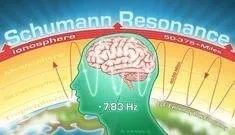
Resonance is the tendency of a system to naturally synchronize when influenced by an appropriate frequency.
Imagine gently pushing someone on a swing. If you push at just the right rhythm, the swing moves higher with very little effort. Resonance works in a similar way. When energy is delivered at an appropriate frequency, biological systems may respond more efficiently than they would to random or excessively strong stimulation.
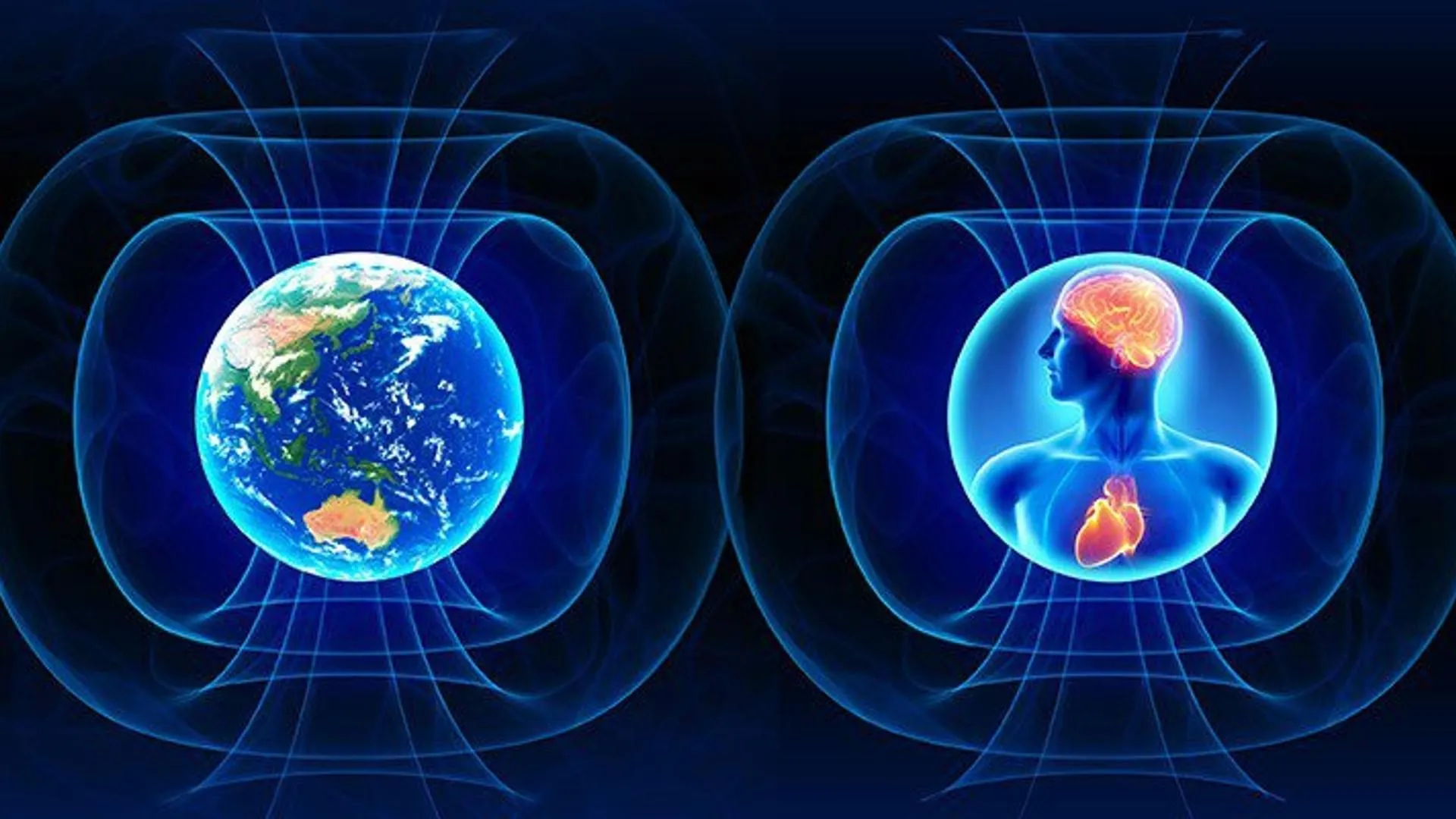
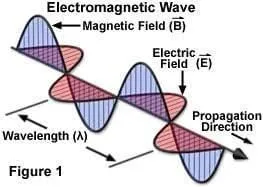
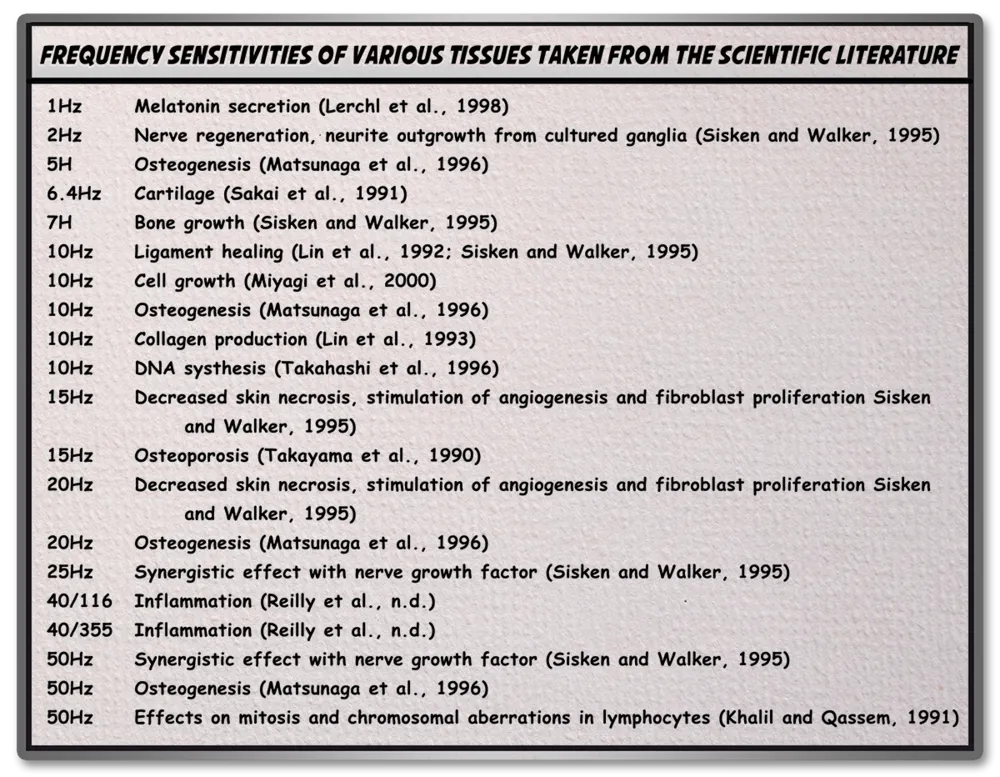
Your body’s cells naturally exhibit electrical activity, and researchers continue to study how extremely low-frequency electromagnetic fields interact with biological tissues. Swiss Bionic Solutions designs its PEMF systems to operate within carefully selected frequency ranges intended to support normal cellular function.
One of the easiest ways to visualize the concept of resonance is through the famous 32 Metronome Synchronization Experiment.
In this experiment, each metronome begins swinging independently. Because they all share the same freely moving platform, energy is gradually transferred between them until they naturally synchronize and move together.
Think of the metronomes as an analogy for the trillions of cells throughout your body, while the moving platform represents the body’s interconnected environment. Although the experiment is a physics demonstration rather than a biological one, it provides a simple visual way to understand how resonance and synchronization can occur within an interconnected system.
It’s one thing to read about resonance. It’s another to actually watch it happen. Watch the video below to see this remarkable demonstration of resonance in action.